
Climate Change and ESG Development
In the point of view of how the pandemic impacts climate, this passage is going to assess and recommend on how companies can apply ESG mindset to achieve sustainable development in the Post-COVID-19 world.
Hong Kong, Singapore, Shanghai

In the point of view of how the pandemic impacts climate, this passage is going to assess and recommend on how companies can apply ESG mindset to achieve sustainable development in the Post-COVID-19 world.
With increasing awareness of social and population health impacts private sectors have, Robert Wood Johnson Foundation (RWJF) and the Global Reporting Initiative (GRI) have been working on a project named Culture of Health for Business (COH4B), aiming to push the companies to think differently on how they can affect the population health and society, through exploring business practices that have discrete health and business impacts.
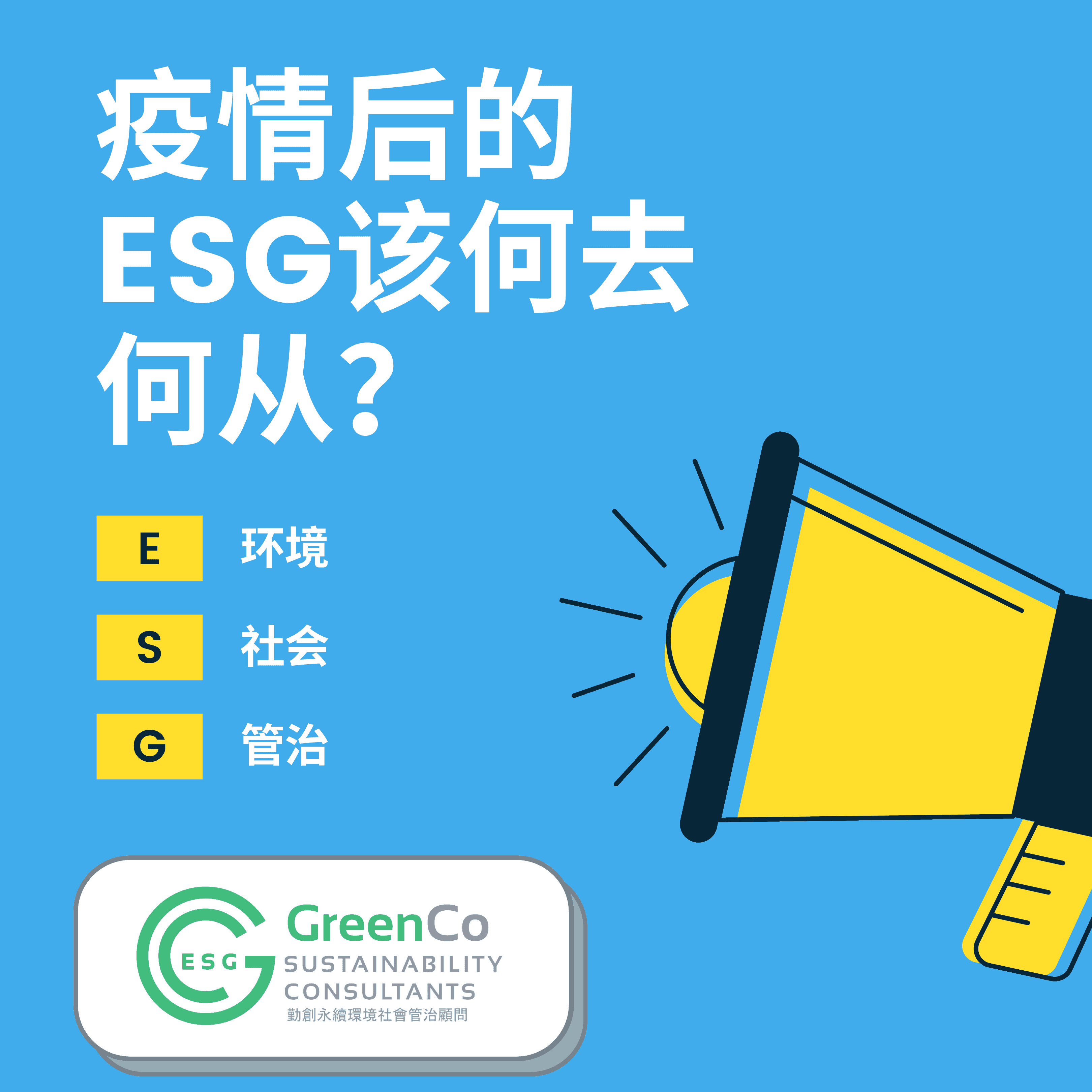
The huge slap of this COVID-19 epidemic on most enterprises made it hard for us to imagine how the aftermath and indirect impacts of the disaster will change the socio-economic structure and business development models. In the post-pandemic era, how to cumulate the experience from setbacks and use the brand new financial values and management system called‘ESG’to empower corporate sustainability development will be a new trend of global development.
With the increasing attention on the “informed market”, ESG information becomes more and more important to investors, who see an organised package of non-financial performance of companies as a powerful auxiliary tool-kit for analysis in making investment decisions. Providing sufficient ESG information not only informs investors in decision-making, but also allows them to gain confidence about the business development of a company in the long-term prospect.
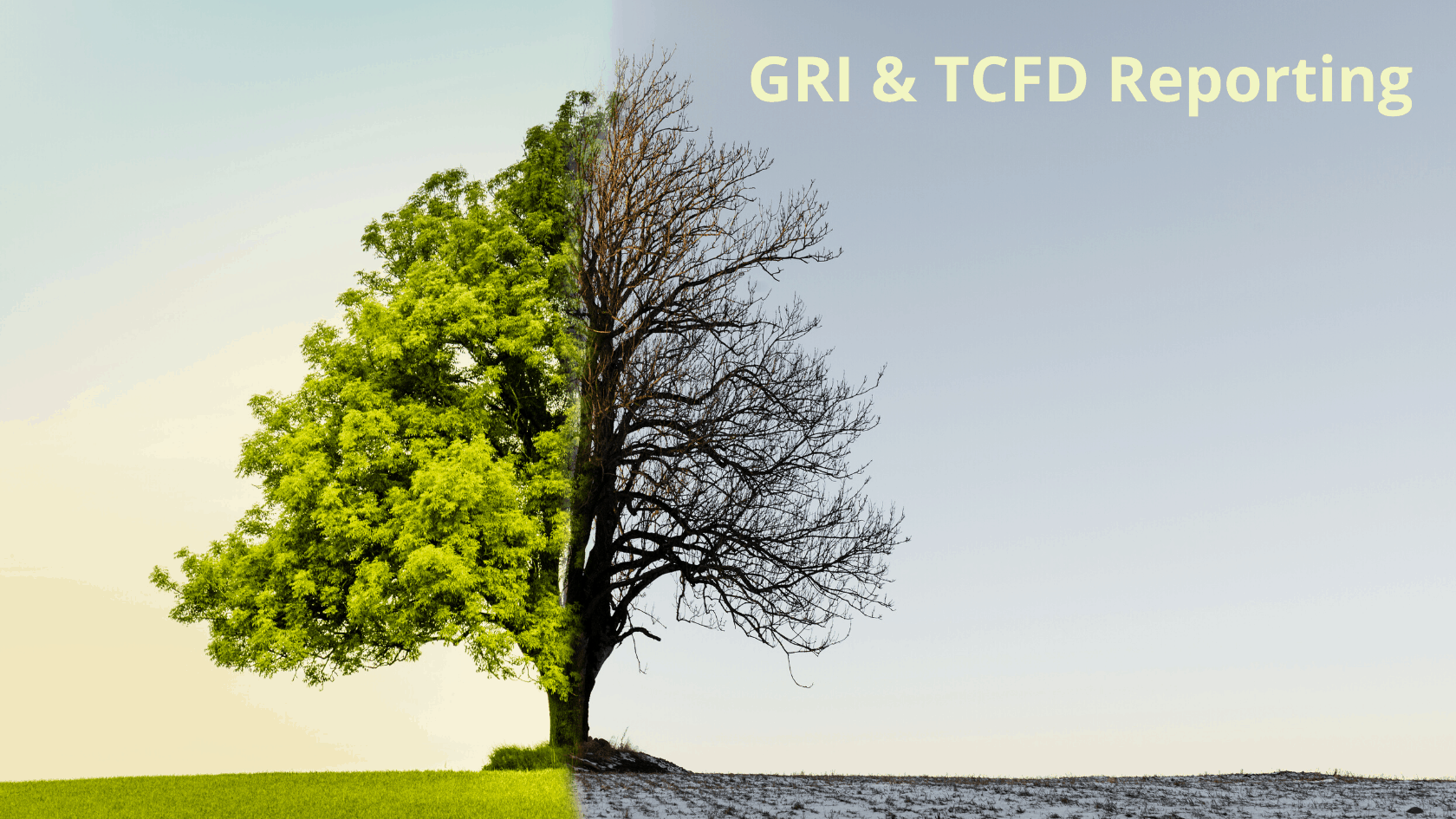
Business and climate change have mutual impacts on each other. Business influences climate change with climate-related reporting today laying more emphasis on different business models’ carbon footprint while climate change does sway business models to some extent with the reporting promoted by Task Force on Climate-related financial disclosures (TCFD) focusing on financial implications of climate change on business models.
Content development is the stage of transformation where all the materials and data being collected turn into the actual [...]
Data collection is a very time-consuming activity and requires collaborative efforts. It should be a customised and unique process [...]
On 18 December 2019, The Stock Exchange of Hong Kong Limited (the Exchange) published the conclusions to its consultation [...]
According to the GRI standards, the sustainability report shall cover topics that: Reflect the reporting organisation’s significant economic, environmental, [...]
Stakeholder engagement, as a method to obtain stakeholder’s opinions and focus areas, is an essential part of preparing the [...]